
Duration
In progress
May 2023
Present
Team
6 product designers in a team
Game design team
Development team
Our stakeholder (CEO)
Tools
Figma
Miro
Adobe suits
ClickUp
Project Overview
It is my design work at Healinghand Tech.
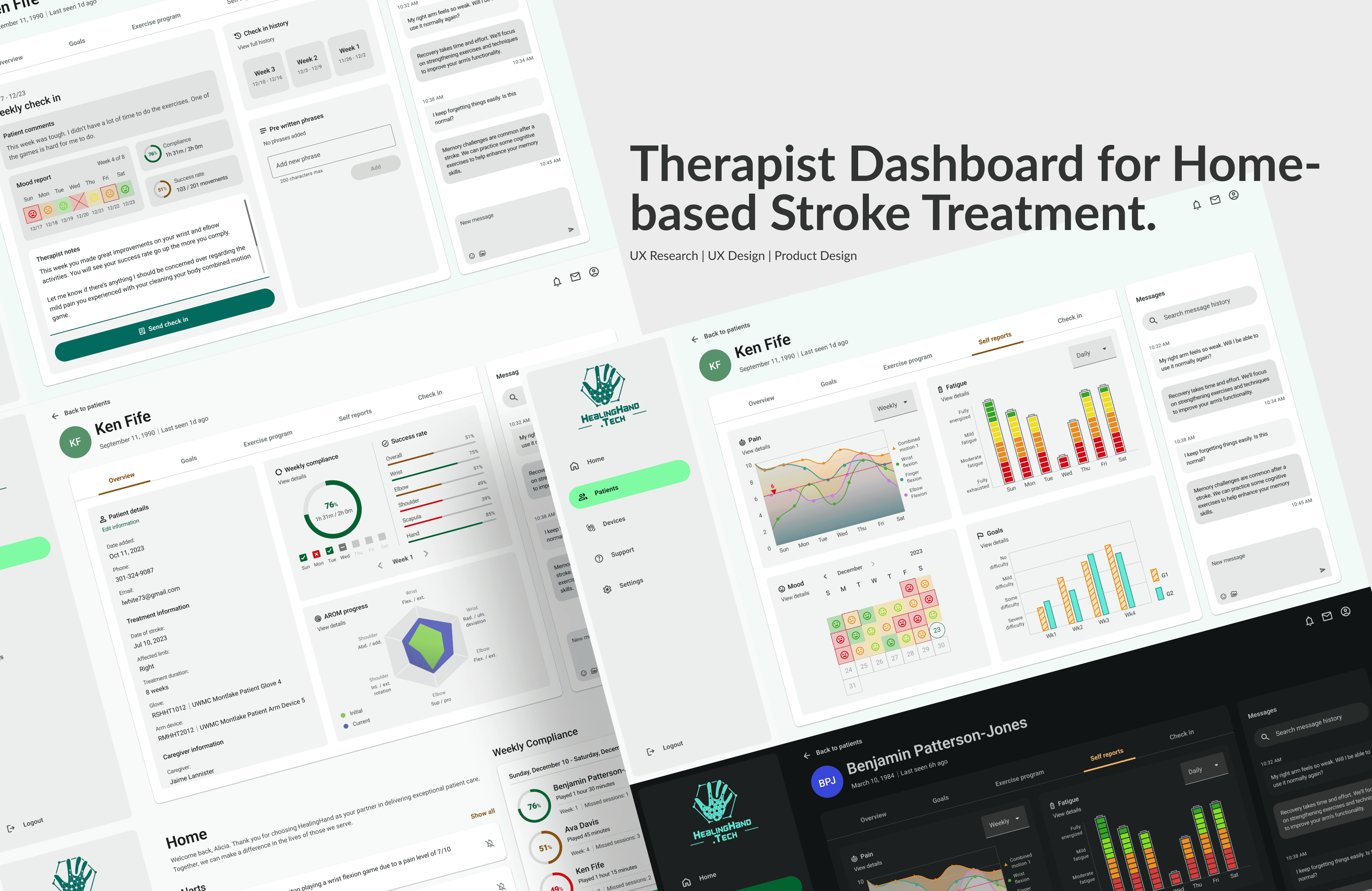
HealthTech company specializes in wearable devices designed to facilitate home-based rehabilitation for stroke patients through gamified treatments. Our team focus on creating a B2B Web design therapist dashboard to enhance therapist-patient interaction and support.
My Role
UX Research: Semi-structured Interviews, A/B Testing.
UX Design: Goal Setting Flow, Program Builder Feature, Self report data visualization.
Project Review
Impacts
Enhanced working efficiency
Improved User Engagement
Consistent Workflow
We collaborated with the game design team to create a consistent design system and aligned it with Material 3 for more efficient development.
Project Overview
Background
Therapist Dashboard for Remote Stroke Rehabilitation
Healinghand Tech, a pioneering healthcare startup, is dedicated to enhancing stroke rehabilitation accessibility. Their approach integrates wearable technology and a patients’ app with interactive exercise games, enabling stroke patients to engage in home-based rehabilitation.
In addition to empowering patients, Healinghand Tech aims to offer a therapist dashboard to clinics. This B2B solution is designed to optimize the treatment process, providing therapists with advanced tools for remote patient support and monitoring.
Design Research
Challenge
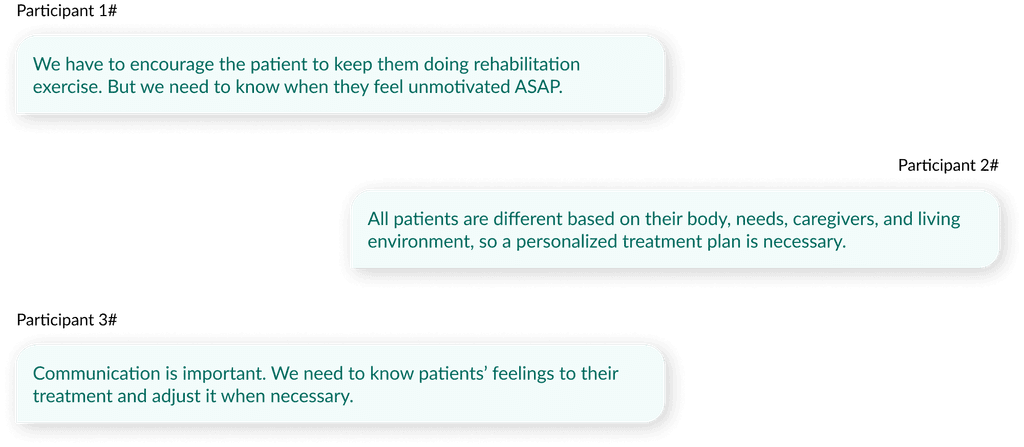
Understand who are target users and how do they work with patients
Design Research
Key Insights
Goal-Oriented Collaboration
Therapists work closely with patients to set personalized goals that align with their daily life, ensuring the treatment remains relevant and focused.
Simplifying Complex Plans
Complex treatment plans are broken down into smaller, manageable steps, allowing patients to more easily follow and make progress in their rehabilitation journey.
Monitoring Compliance and Progress
A dual focus on monitoring patients' adherence to exercises and utilizing biomechanical data, like range of motion and strength, provides a comprehensive view of patient improvements and therapy effectiveness.
Responsive Adjustment
Recognizing and responding to Break Triggering Moments (BTMs), such as episodes of pain or fatigue, through patient self-reports, is essential for therapists to make timely and appropriate adjustments to the treatment plan.
Design Research
User Persona
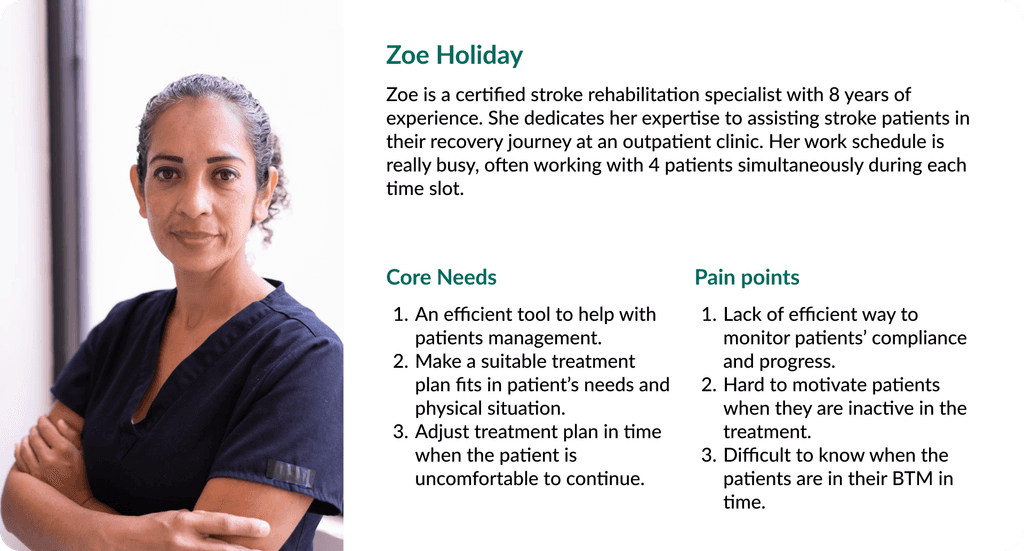
Target users identify as occupational therapists specializing in stroke treatment
Design Research
User Persona
Opportunity to facilitate stroke treatment in remote situation
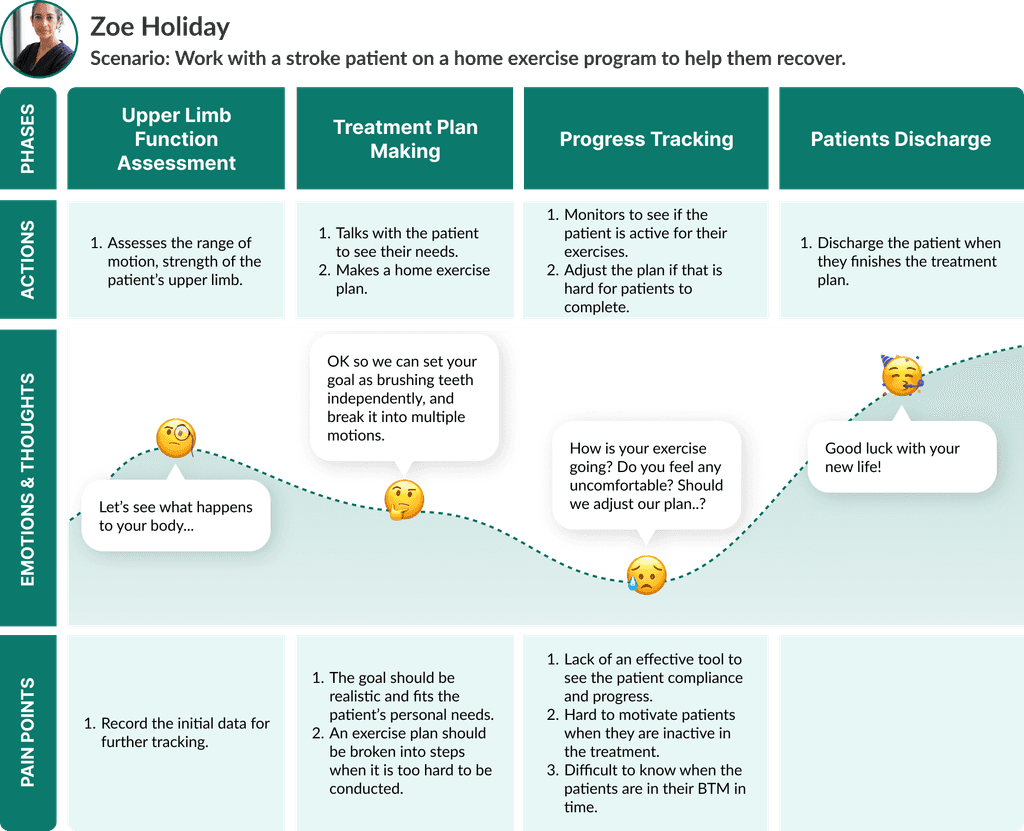
How might we streamline a patient-centric treatment process, improve communication between patients and therapists, and facilitate efficient tracking of progress?
After synthesizing the research findings into actionable insights, we developed them and formulated our design statement.
Design Ideation
Design Concepts
MVP features to help solve pain points
To help therapists better make a patient-centric treatment plan:
A “program builder” feature is developed.
This tool assists in selecting specialized stroke treatment games, aligning with each patient's unique goals.
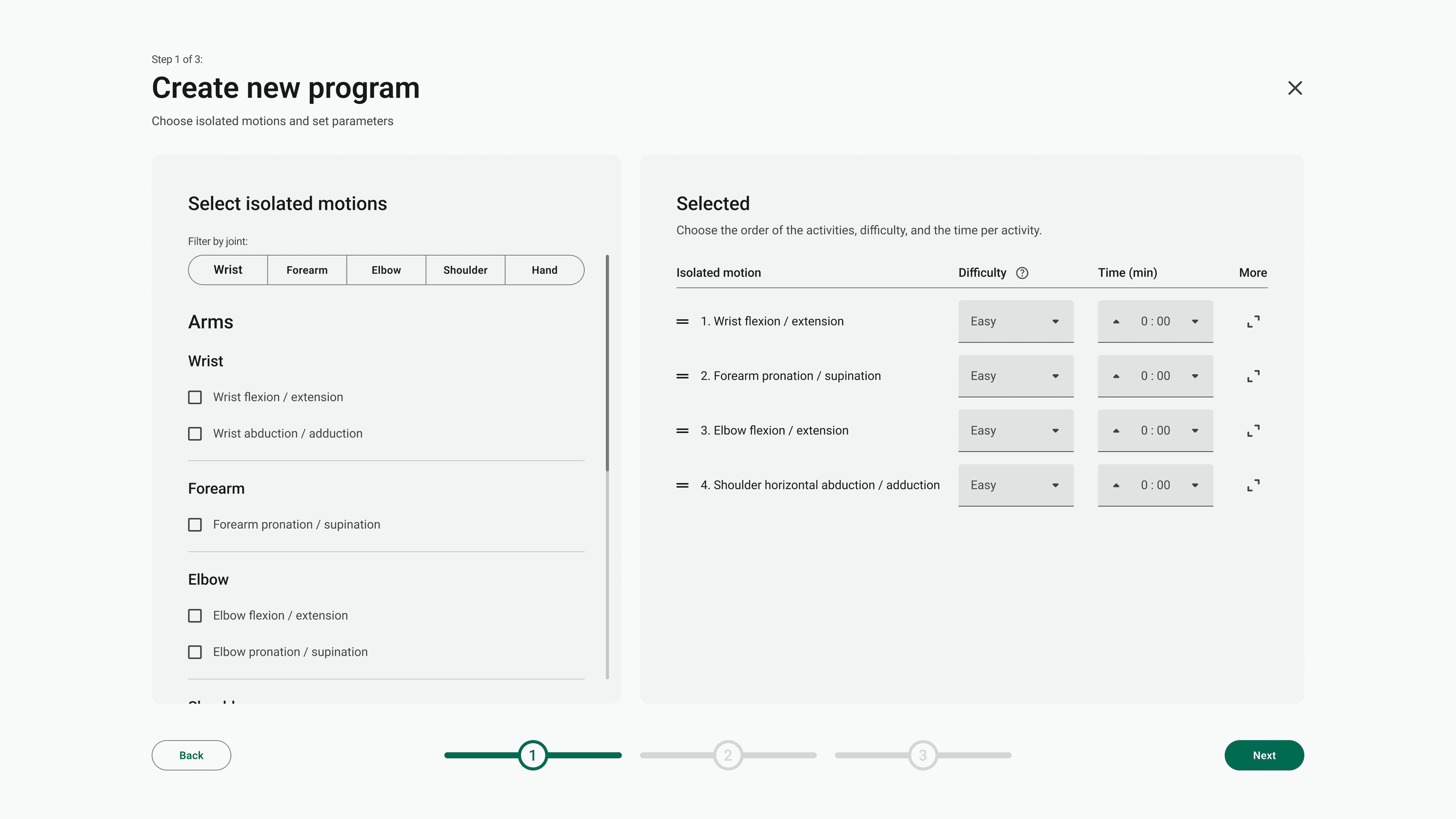
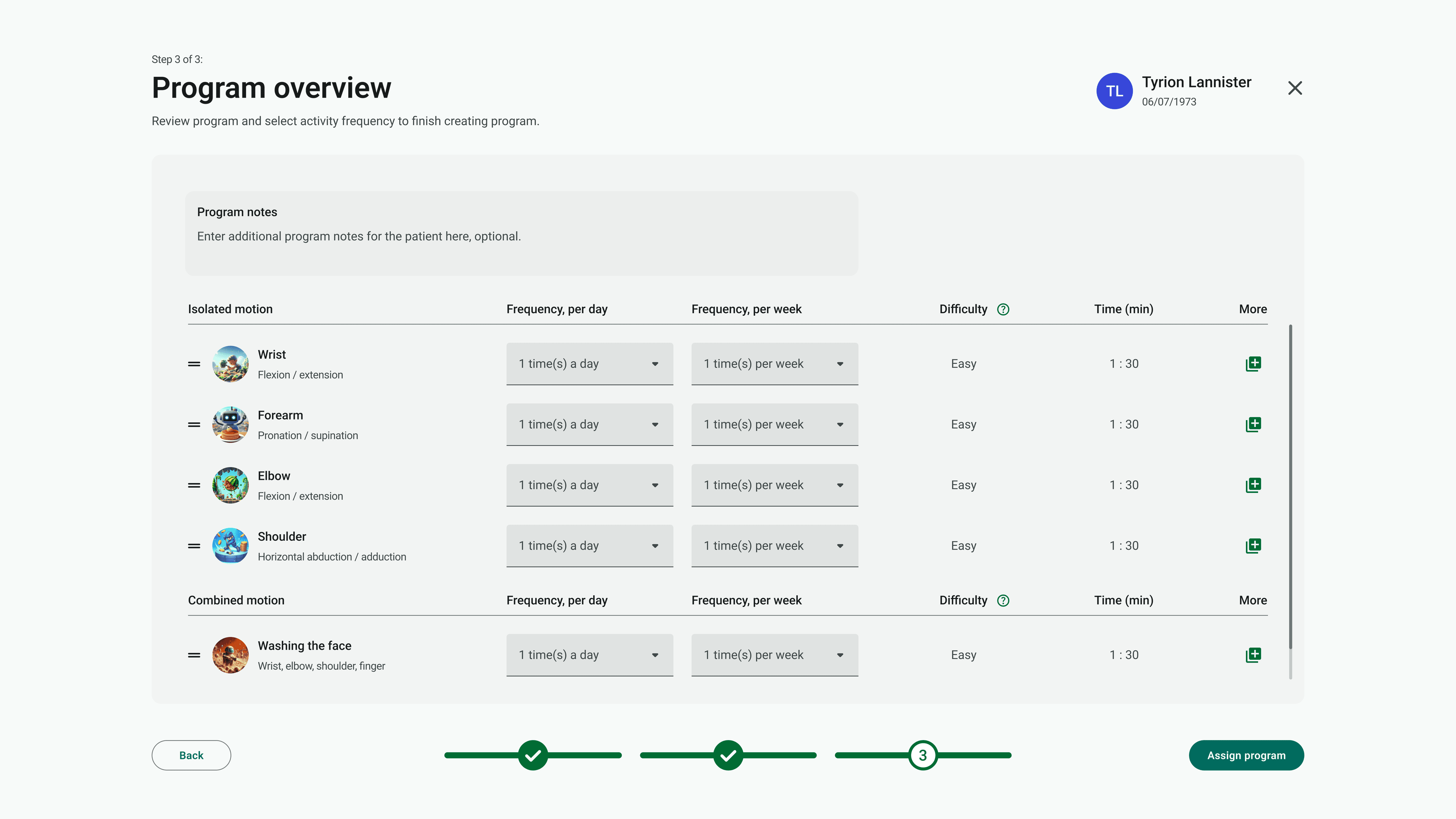
Therapists can choose exercises ranging from isolated movements to more complex, combined motions, each paired with one or more interactive games.
To facilitate timely feedback from patients and enable therapists to adjust treatment plans effectively:
Integrated a self-report feature.
This tool is designed to visually represent a variety of key subjective metrics, such as the levels of difficulty, pain, mood, and fatigue that patients experience, aiding in the optimization of interventions.
This feature alerts therapists the occurrence of “Break Triggering Moments”, enabling them to swiftly modify exercise parameters.
To help therapists better track treatment progress and motivate the patient:
We've implemented a system that visualizes multiple metrics. This includes patient compliance, biomechanical data, and subjective measurements, all presented intuitively in the patient overview.
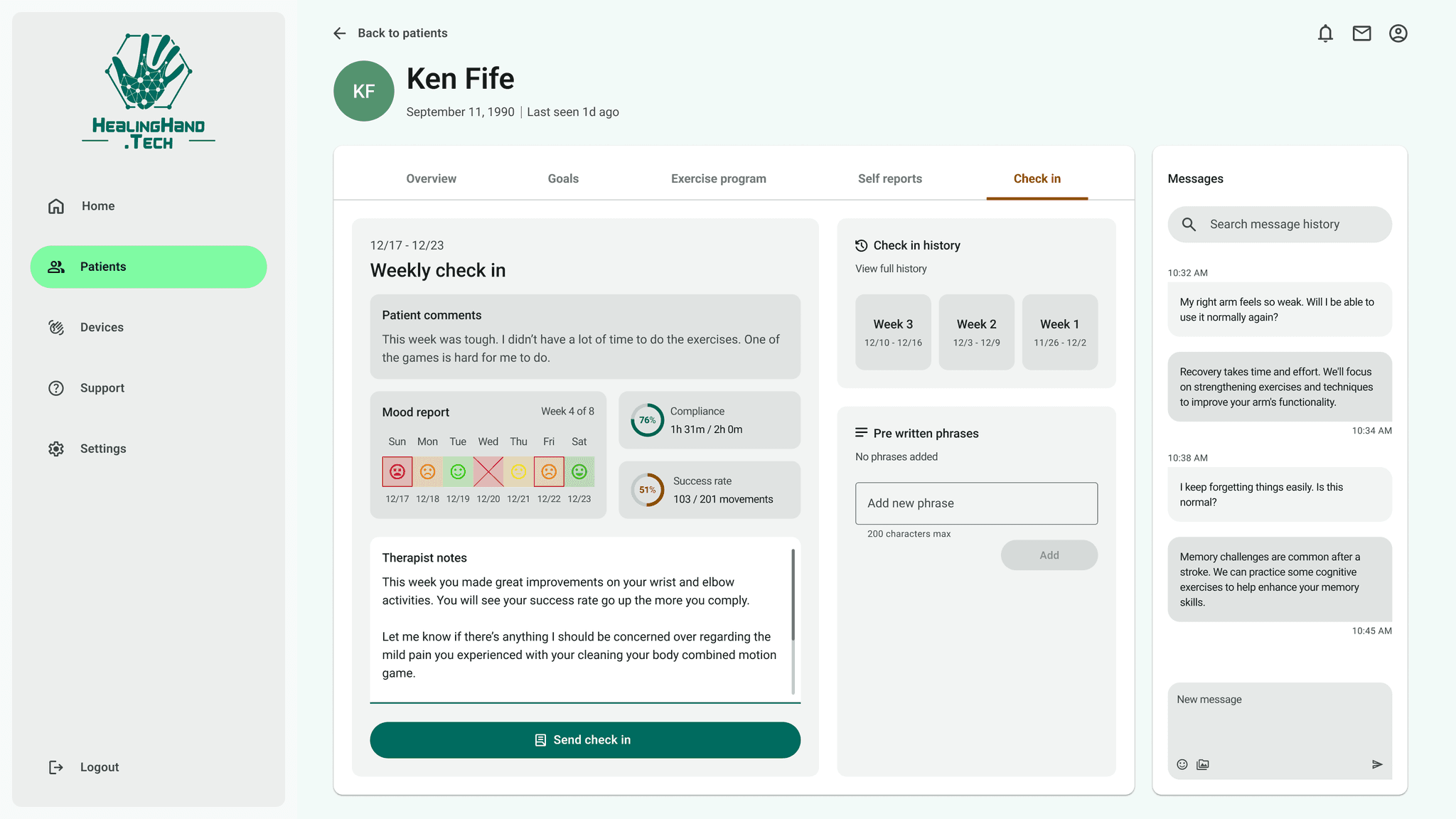
The "check-in" feature allows therapists to access and review weekly reports.
They can then share these reports with patients, providing a clear view of their progress. This transparency not only keeps patients informed but also serves as a motivational tool, encouraging them to engage actively in their rehabilitation journey.
Design Ideation
Information Architecture
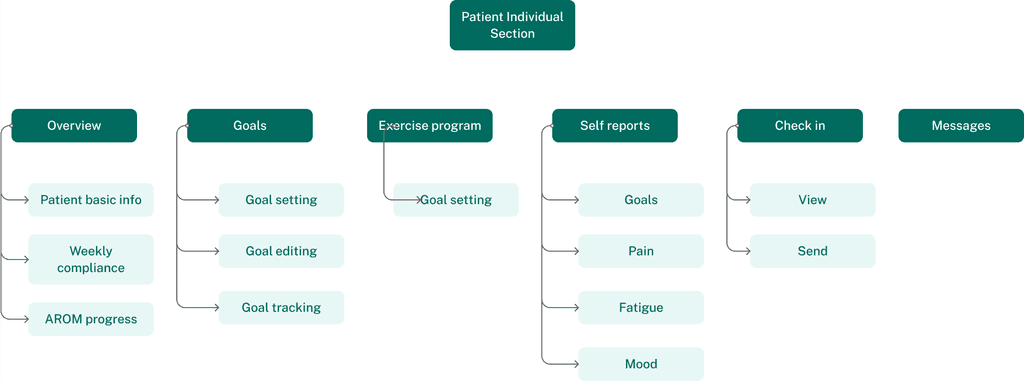
Final Design
Design Deliverable
Patient Overview - help therapists better track treatment progress
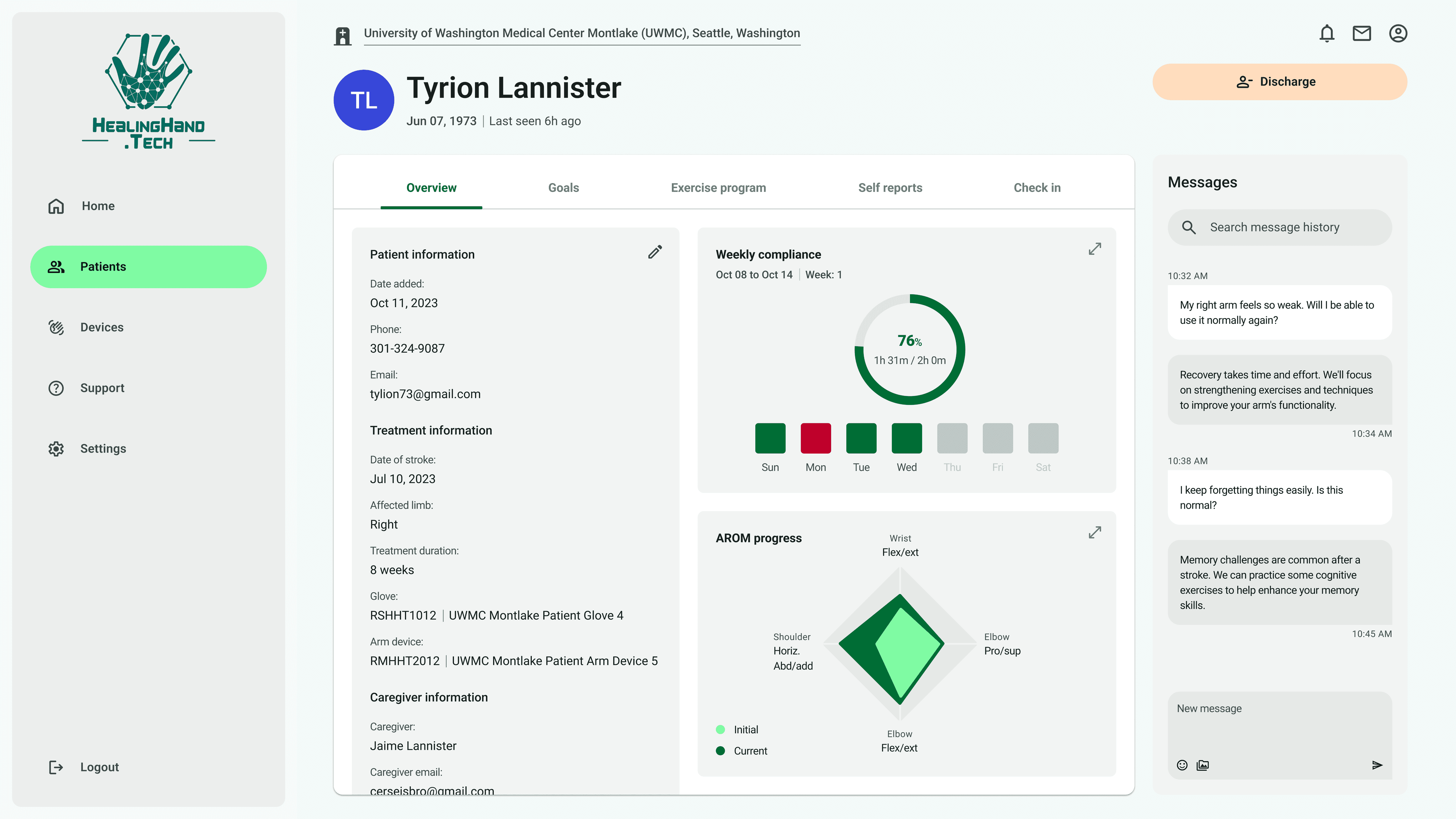
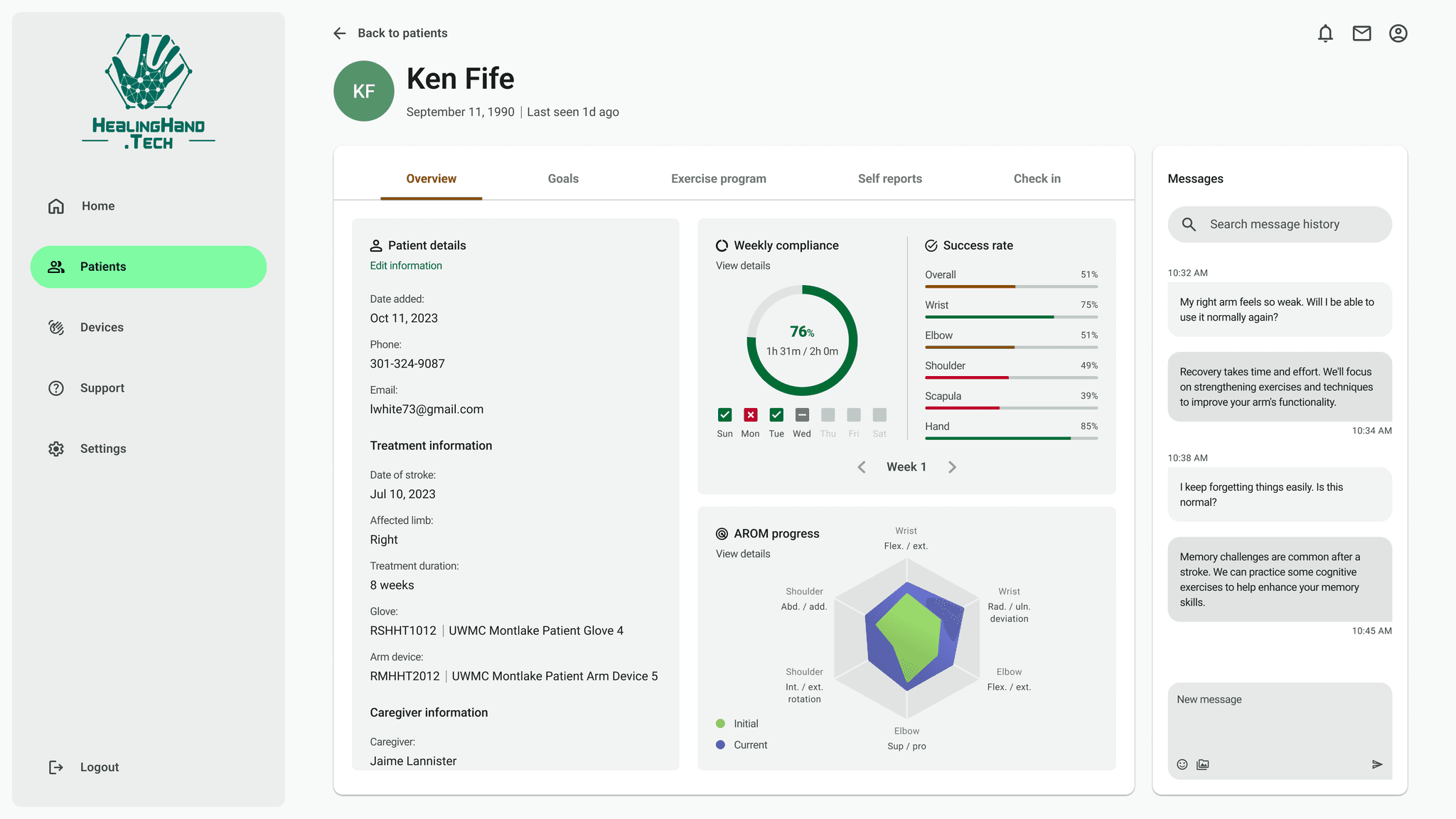
Patient information
Display the individual patient’s basic information
Weekly compliance
Visualize the completion of treatment exercise that the patient finishes
AROM progress
Showcase the before and after of the progress in each upper limb part
Patient Self Report - visualize the subjective feedback from patients
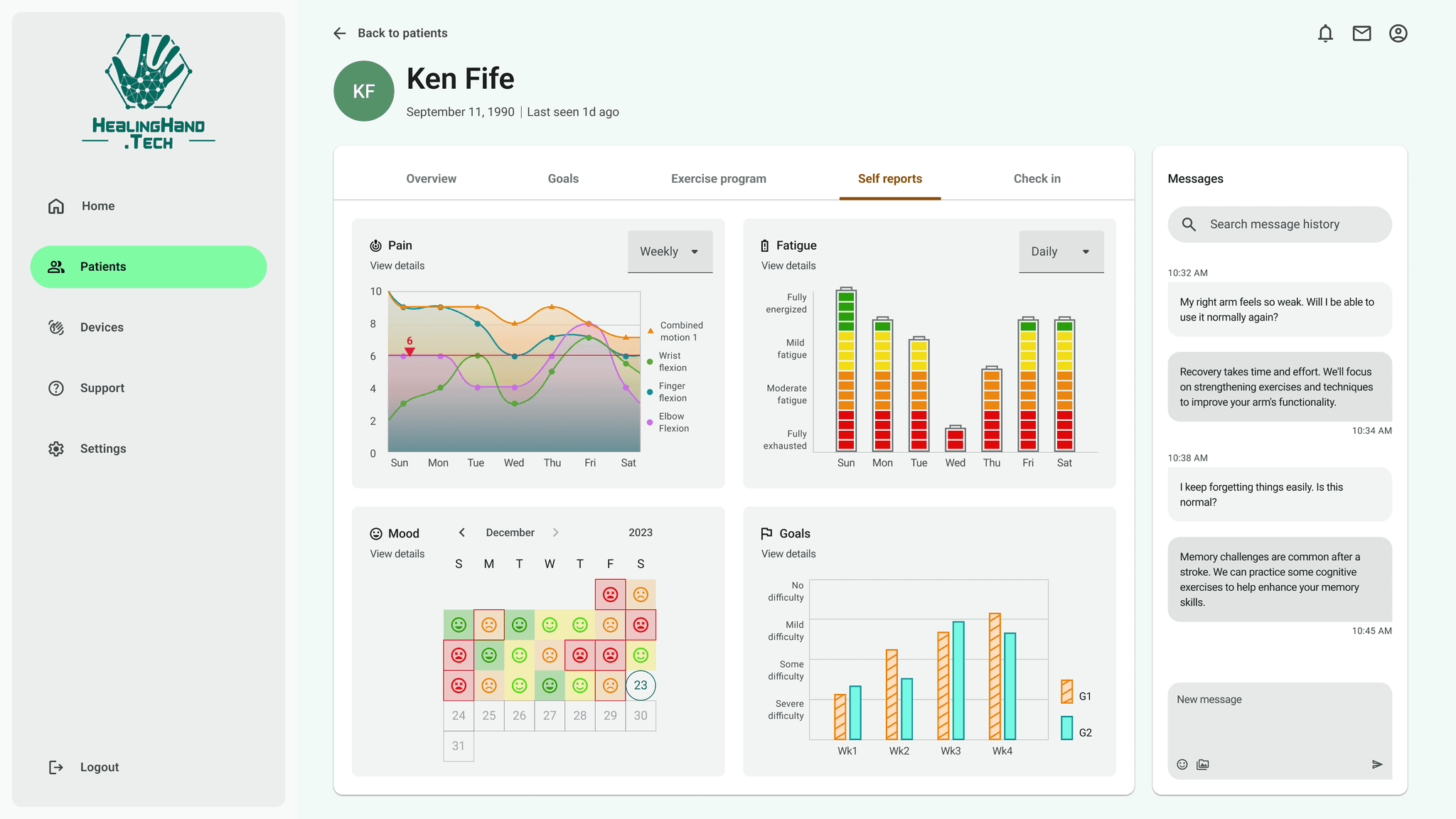
Goals
Showcase the difficulty level that the patient feels for each goal related to the treatment exercise
Pain
Display the pain level of isolated motions and combined motions
Fatigue
Visualize the energy level that patient feels every day
Mood
Use mood icons to show the feelings from very bad to excellent
Check in - weekly report and motivate patients
Exercise Program - Streamline treatment plan building
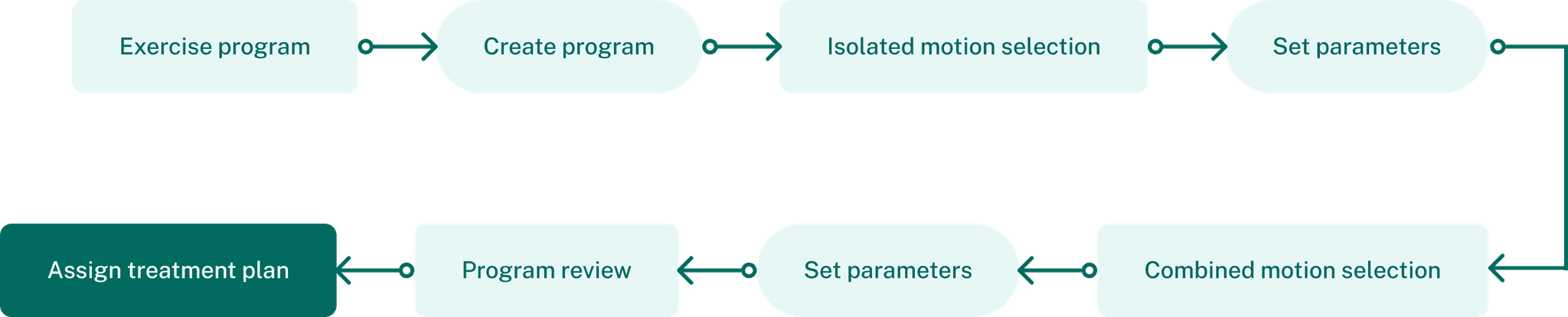
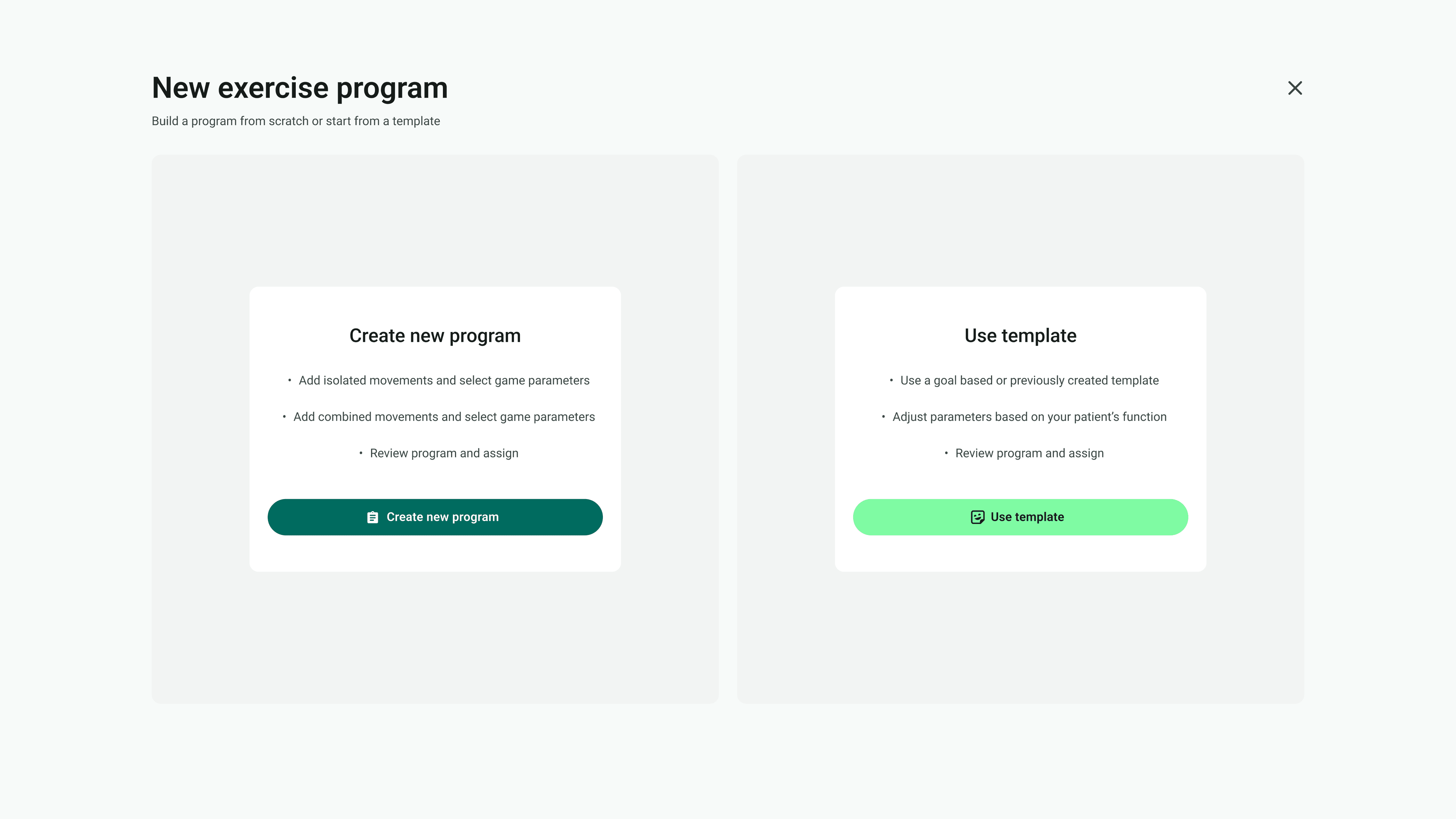
Program Builder A- motion oriented
Align with occupational therapists’ cognitive model to build the treatment plan.
A conventional way to create exercise plans from isolated motions to combined motions
User Flow
Prototype
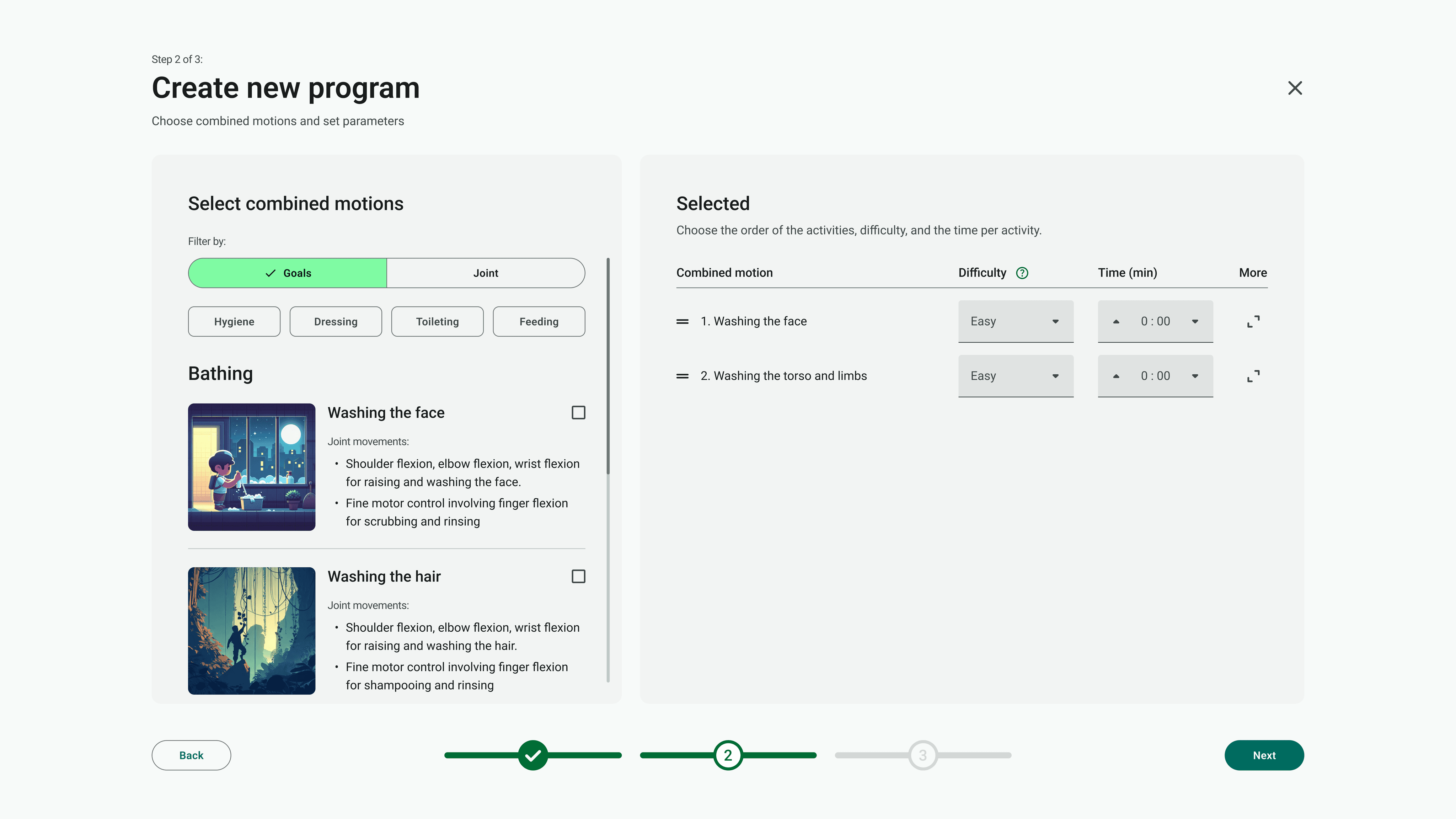
Program Builder B- goal oriented
A more innovative way to build treatment plans
Pair with goal-oriented exercise games we designed by starting with goals then breaking down into combined motions and isolated motions
Combined and isolated motions are set in the system with games
User Flow


Because of NDA, I am not allowed to show the prototype for our version B.
A/B testing is under progress…
Design Reflection
What can be improved?
Under Processing…